

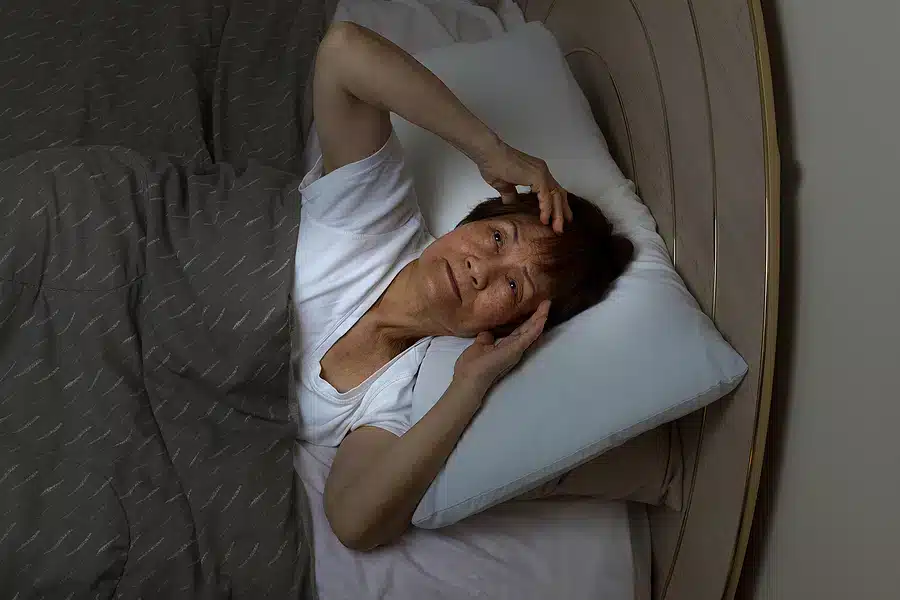
Too many aging adults find that sleep doesn’t come as easily as it once did. They may lie awake for hours, wake several times during the night, or rise long before dawn feeling unrested. Poor sleep is common in later life, but it isn’t something seniors simply have to accept. Senior home care can help aging adults build daytime and evening routines that make restful nights more likely.
Shifts in the Body’s Internal Clock
Sleep patterns often change with age. Many seniors grow sleepy earlier in the evening and wake up earlier in the morning. Sleep may be lighter overall as well. These shifts are normal, but they can leave seniors feeling as if they never quite get enough rest. Seniors may also spend less time in the deeper stages of sleep, so they might wake up more easily when noise, light, or discomfort are a factor.
Health Conditions and Medications
Pain from arthritis, breathing problems, restless legs, or midnight bathroom trips all interrupt the night. Some medications interfere with sleep, too. Seniors who regularly struggle with sleep because of health or medication issues need to mention what’s happening to their doctors. Medical providers can look for underlying causes that might be affecting sleep. Home care providers may notice changes that can help doctors determine what else might be happening.
Daytime Habits
What happens during the day matters a lot when it comes to sleep. Long naps, late naps, and too little physical activity can all pose issues. Lack of exposure to natural light during the day can also make sleep more difficult at night. Senior home care providers can encourage seniors to take walks in the morning, spend time near sunny windows, and engage in other activities that keep them busy during the day.
Evening Routines
Predictable nighttime routines let the body know that sleep is coming. Seniors can benefit from lighter evening meals and limited caffeine after midday. Activities that help aging adults feel calmer can also help. Reading books, listening to music, and avoiding screens all ease the transition from busy days to solid sleep at night. Senior home care providers can help seniors figure out what their nighttime routines might look like to get better quality sleep.
A Comfortable Bedroom
The right sleep environment for seniors may need to be a little darker, quieter, and cooler than it already is. Blackout curtains can help a lot, especially if there are a lot of lights outside at night. Using a white noise machine can help to block out noise. Reducing clutter in the bedroom is essential to keep seniors safer overnight, especially if they’re more likely to head to the bathroom. Senior home care providers may have suggestions that help seniors create a haven in their bedrooms.
Professional Guidance
For some seniors, all the good sleep hygiene habits in the world aren’t the right answer. If there’s an underlying medical cause, like sleep apnea, seniors may need more input than they already have. Checking with medical providers and getting referrals if necessary gives seniors more information to conquer their sleep.
Better sleep supports good moods, better memory, improved balance, and overall health. Aging adults have a better chance of getting the rest they need with help from family members and senior home care providers.
